




What The Lord of the Rings Teaches Dungeon Masters: Why Great D&D Campaigns Are About the Journey, Not the Combat
Ask someone what they remember most about The Lord of the Rings, and you’ll probably hear about Helm’s Deep, the Battle of Pelennor Fields, or Gandalf facing the Balrog.
Those moments are incredible.
But they aren’t why the story has endured for generations.
At its heart, The Lord of the Rings isn’t about combat.
It’s about a journey.
The Fellowship doesn’t simply travel because the plot requires them to move from one location to another. Every mile changes them. Every forest, mountain, ruined kingdom, and forgotten path teaches them something about the world they are trying to save. By the

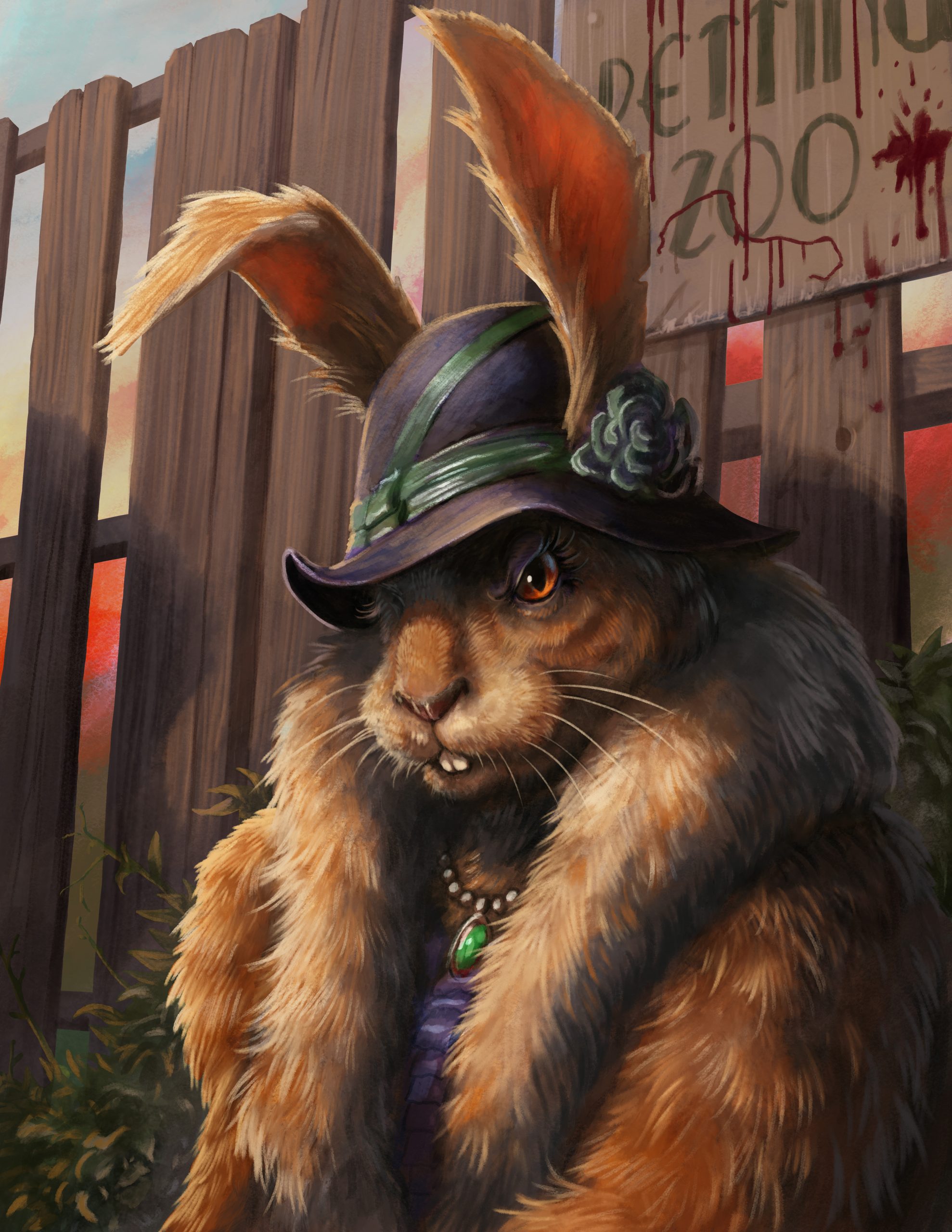
“Y’all ready to hoof it to that mountain over yonder? Looks pretty exhausting. Thank goodness we can make that saving throw to shrug off the condition a little bit,” said no 5E D&D player ever. Until now!
time they reach Mordor, they aren’t the same people who left the Shire.
That is one of the greatest lessons a Dungeon Master can learn when designing a Dungeons & Dragons campaign.
Too often, travel is treated like an inconvenience. The party leaves one town, the Dungeon Master says, “Three days later you arrive,” and the adventure continues as if nothing happened.
Tolkien understood something many campaigns forget.
Sometimes the journey is the adventure.
The World Should Feel Bigger Than the Heroes
One of the first things you notice while reading The Lord of the Rings is how old Middle-earth feels.
The Fellowship constantly encounters ancient ruins, forgotten kingdoms, weathered statues, abandoned watchtowers, and places whose stories stretch back thousands of years. The characters rarely stop to explain every detail, but those glimpses make the world feel enormous.
Dungeon Masters can create that same feeling.
Not every ruined castle needs a dungeon beneath it. Not every mysterious monument has to hide magical treasure. Sometimes an old battlefield exists simply because people once fought there. A broken bridge may be all that remains of a civilization long forgotten. A lonely tower standing against the horizon reminds the players that history continued long before their characters were born.
Those details don’t distract from the campaign.
They make the setting feel alive.
Travel Is Where Characters Grow
Think about Frodo when he leaves the Shire.
He is curious, kind, and completely unprepared for what lies ahead.
By the time he reaches Mount Doom, he has endured hardship that would have broken almost anyone else.
The battles matter.
But it is the road between those battles that changes him.
The same is true for Aragorn, Sam, Merry, Pippin, and nearly every other major character.
Travel creates opportunities for growth because it forces people out of their comfort zones.
D&D campaigns often rush from one objective to the next, leaving very little room for characters to simply exist together. Some of the best roleplaying happens while the party is gathered around a campfire, crossing dangerous mountains, sharing stories during long wagon rides, or debating which path to follow through an unfamiliar forest.
Those quiet moments allow friendships to form naturally.
When the final battle arrives, the players care because they have spent time becoming companions instead of simply becoming stronger.
Not Every Encounter Needs Initiative

One of the most memorable stretches of The Lord of the Rings contains very little combat.
The Fellowship meets Tom Bombadil.
They visit Rivendell.
They travel through Lothlórien.
They pass ancient landmarks whose significance stretches back thousands of years.
These scenes slow the pace, but they never feel boring because they deepen the world.
Dungeon Masters sometimes feel obligated to include combat whenever the players spend too long traveling.
In reality, travel becomes memorable when every encounter offers something different.
Perhaps the party meets a wandering storyteller who remembers an empire that no longer exists. A mysterious shrine grants strange dreams instead of magical treasure. An old bridge keeper refuses payment but asks each traveler a question they cannot answer honestly.
None of these moments require drawing swords.
Yet players often remember them for years.
Distance Makes the Destination Matter
One reason reaching Mordor feels so satisfying is because the audience understands exactly what it took to get there.
The Fellowship crossed mountains.
They endured blizzards.
They navigated underground kingdoms.
They lost friends.
They nearly abandoned hope.
The destination matters because the journey earned it.
Many D&D campaigns unintentionally rob themselves of that emotional payoff by skipping most of the travel.
If the party instantly teleports between every adventure, the world begins feeling surprisingly small.
That doesn’t mean every mile needs to be played out at the table.
Instead, let travel leave its mark.
Perhaps supplies begin running low. Weather forces unexpected detours. Rumors learned at roadside inns hint at dangers still weeks away. Small discoveries reveal forgotten pieces of history that make the destination even more meaningful.
Players begin appreciating where they have arrived because they remember everything it took to get there.
Companions Matter More Than Quests

The Fellowship succeeds because each member contributes something unique.
Gandalf provides wisdom.
Aragorn offers leadership.
Legolas sees what others cannot.
Gimli brings determination.
Sam refuses to abandon his friend.
Their individual strengths matter, but their relationships matter even more.
Dungeon Masters can encourage this by creating travel scenes that highlight different characters instead of different monsters.
The ranger notices unusual tracks no one else would recognize. The bard entertains an isolated village and learns forgotten legends. The cleric performs funeral rites for travelers lost to the wilderness. The druid calms frightened animals before a coming storm.
Travel becomes another opportunity for every player to shine.
Wonder Is Just As Important As Danger
One of the greatest gifts The Lord of the Rings gives its audience is a sense of wonder.
Not every stop along the journey is terrifying.
Some places are simply beautiful.
The rolling hills of the Shire.
The golden woods of Lothlórien.
The grandeur of Minas Tirith.
The quiet majesty of Rivendell.
These places remind the audience what is worth saving.
Every D&D campaign needs moments like this.
If every road leads to another monster attack, players eventually stop caring about the world. Give them festivals, breathtaking vistas, hidden waterfalls, ancient libraries, friendly villages, and mysterious landmarks untouched by war.
Beauty creates emotional contrast.
When darkness eventually arrives, the players understand exactly what is at stake.
Make the Road Part of the Story
The greatest lesson The Lord of the Rings teaches Dungeon Masters is that travel should never feel like empty space between adventures.
The road is where friendships form.
The road is where mysteries are discovered.
The road is where legends are uncovered.
The road is where heroes become something greater than they were when they first packed their bags.
The next time your players leave one city for another, resist the temptation to simply skip ahead.
Ask yourself what makes this stretch of the journey unique.
What forgotten history lies beside the road?
Who might they meet?
What beauty will they discover?
What challenge will change them forever?
Because the greatest fantasy stories have never been about reaching the destination as quickly as possible.
They’ve always been about the people we become along the way.
And no story has ever demonstrated that better than The Lord of the Rings.
Thanks for reading. Until Next Time, Stay Nerdy!!



No Comments